
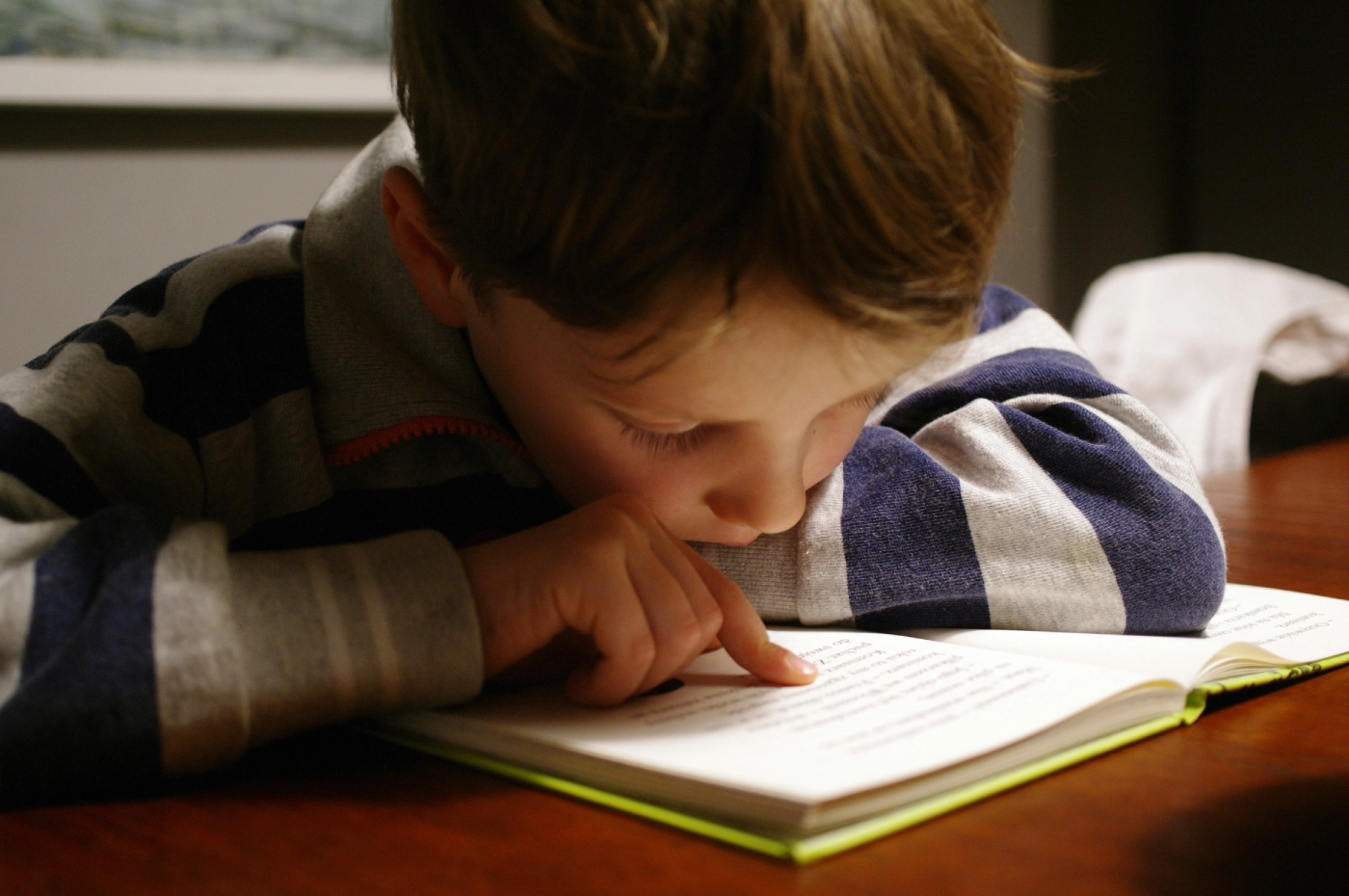
Every child learns differently, and one of the most noticeable differences shows up in how they absorb new information. Some children breeze through picture books and diagrams but struggle with plain text, while others prefer the opposite. Understanding why some children learn faster through visuals than text can help parents and teachers support learning more effectively. Many pre schools in Bangalore already build their curriculum around visual learning, using pictures, colours, and hands-on materials to introduce new concepts. This blog explores the reasons behind visual learning preferences and how parents can use this insight at home.
Understanding Different Learning Styles
Children generally lean toward one or more learning styles: visual, auditory, or kinesthetic (hands-on). While most children use a mix of these styles, many show a stronger preference for one, especially in their early years.
What Is a Visual Learner?
Visual learners understand and retain information better when it’s presented through images, diagrams, colours, or spatial organisation, rather than spoken or written words alone. They often think in pictures rather than words.
Why Some Children Learn Faster Through Visuals Than Text
1. The Brain Processes Images Faster Than Words
Visual information is processed by the brain more quickly than text, since images engage multiple senses and pathways simultaneously. For young children, who are still developing reading skills, this makes visuals a more natural and efficient way to absorb new information.
2. Text Requires Decoding Skills Children Are Still Developing
Reading text requires decoding letters into sounds and then into meaning — a skill that takes years to fully develop. Visuals skip this decoding step entirely, allowing children to grasp concepts directly without needing strong reading fluency yet.
3. Images Create Stronger Emotional Connections
Pictures, especially ones with colour and characters, tend to create stronger emotional engagement than plain text. This emotional connection often improves memory retention, making visual lessons more memorable over time.
4. Visuals Simplify Complex or Abstract Ideas
Concepts like time, distance, or cause-and-effect can be abstract and difficult for young minds to grasp through words alone. A simple diagram or picture often communicates these ideas far more clearly than several sentences of text.
This is why daycare in Bangalore centres often rely heavily on picture schedules and visual routines to help toddlers understand daily activities without needing to read.
5. Visual Memory Develops Earlier Than Verbal Memory
Young children often develop strong visual memory before their verbal and reading skills fully mature. This means many children can recognise shapes, colours, and patterns long before they can read related words fluently.
Signs Your Child May Be a Visual Learner
- Enjoys picture books more than text-heavy stories
- Remembers faces, places, and objects easily
- Prefers drawing or colouring to explain ideas
- Gets distracted easily during long verbal instructions
- Understands directions better when shown rather than told
How Visual Learning Supports Early Childhood Education
Early childhood programmes are increasingly designed around visual-first teaching methods, recognising that most young children benefit from this approach regardless of their dominant learning style.
- Picture-based daily schedules and routines
- Colour-coded learning materials and classroom displays
- Visual storytelling using puppets, flashcards, and props
- Charts and diagrams to explain new concepts
Many top nursery schools in Bangalore structure their classrooms specifically to support visual learning, using colour-coded zones and picture labels throughout the room to reinforce vocabulary and routines.
How Parents Can Support Visual Learners at Home
Recognising and supporting a child’s visual learning preference doesn’t require expensive tools — small, intentional changes can make a big difference.
- Use picture books and illustrated stories during reading time
- Create visual schedules for daily routines like brushing teeth or packing a bag
- Use charts, diagrams, or drawings to explain new concepts
- Encourage drawing as a way to express ideas and stories
- Pair spoken instructions with gestures or visual cues
Parents exploring best play schools in Bangalore often look for environments that combine visual learning with hands-on play, helping children absorb concepts in a way that feels natural rather than forced.
Balancing Visual Learning With Other Skills
While visual learning is a powerful tool, it’s also important to gradually build reading and listening skills alongside it. A balanced approach — using visuals to introduce concepts and text or conversation to reinforce them — supports well-rounded development.
Many best montessori schools in Bangalore use this blended approach, introducing concepts visually through hands-on materials before gradually connecting them to written language and verbal explanation.
Conclusion
Understanding why some children learn faster through visuals than text helps parents and educators create more effective, supportive learning environments. Since young brains often process images more easily than written words, visual tools like picture books, charts, and hands-on materials can make early learning smoother and more enjoyable. By recognising and supporting these natural preferences, while still gradually building reading and listening skills, parents can help their children develop confidence and curiosity across every type of learning.
FAQs
1. How do I know if my child is a visual learner?
Watch for signs like a preference for picture books, strong memory for faces and places, and better understanding when instructions are shown rather than spoken. Many young children show visual learning tendencies naturally, especially before their reading skills are fully developed.
2. Is it normal for young children to prefer pictures over text?
Yes, this is very common and developmentally normal. Most young children process visual information faster than text because reading requires decoding skills that take years to develop. As reading fluency improves, many children naturally become more comfortable with text-based learning.
3. Should I worry if my child struggles with text-based learning?
Not necessarily. Many children simply need more time to develop reading fluency, and a strong preference for visuals at a young age is common and not a cause for concern. If struggles persist significantly beyond expected developmental milestones, it may help to consult a teacher or learning specialist.
4. How can teachers support visual learners in the classroom?
Teachers can use picture schedules, colour-coded materials, diagrams, and visual storytelling tools to reinforce lessons. Pairing spoken instructions with visual cues, like gestures or charts, also helps visual learners stay engaged and understand concepts more effectively.
5. Will my child always be a visual learner, or can this change over time?
Learning preferences can evolve as children grow and develop stronger reading and listening skills. Many children who strongly prefer visuals at age 4 or 5 become more balanced learners by the time they reach primary school, especially with consistent exposure to different teaching methods.
