
Every country has special symbols that represent its identity, history, and values, and India is no exception. From the national flag to the national animal, these symbols help children connect with their country in a simple, visual way. Teaching the national symbols of India explained for kids is often one of the earliest history and civics lessons introduced in school. Many pre schools in Bangalore use colourful charts and picture books to introduce these symbols, making it easy for even the youngest learners to recognise and remember them. This blog walks through each major national symbol with simple explanations perfect for young minds.
Why National Symbols Matter
National symbols help build a sense of identity and pride from an early age. They also make abstract ideas like “country” and “nation” easier for young children to understand through familiar images like animals, flowers, and flags.
National Symbols of India Explained for Kids
1. National Flag – The Tricolour
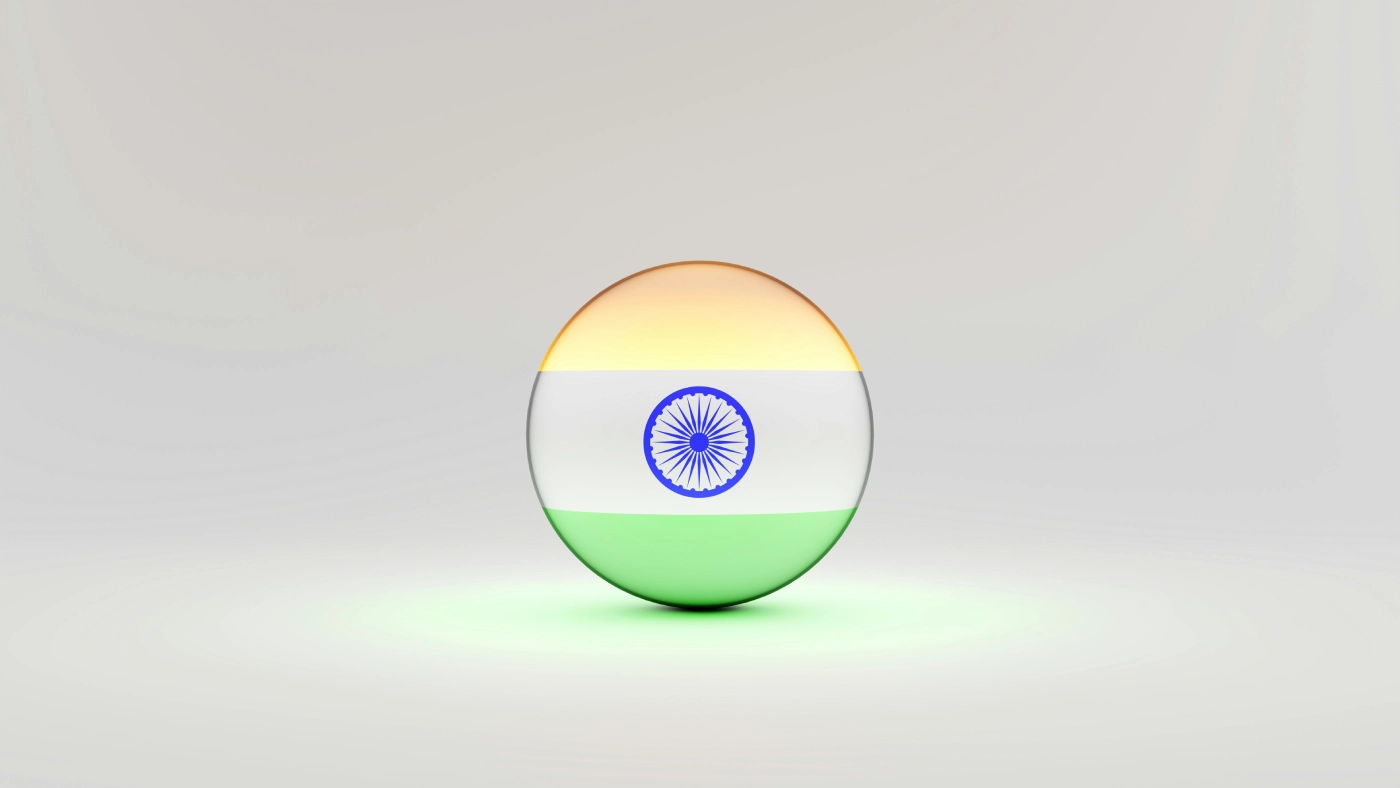
India’s flag has three colours: saffron for courage, white for peace, and green for growth. In the middle is the Ashoka Chakra, a wheel with 24 spokes representing progress and movement forward.
2. National Anthem – Jana Gana Mana
Written by Rabindranath Tagore, the national anthem is sung on important occasions like Independence Day and Republic Day. It expresses unity and pride among people from different parts of India.
3. National Animal – Tiger
The majestic tiger represents strength, grace, and power. India is home to a large population of wild tigers, and several national parks work to protect this endangered species.
4. National Bird – Peacock
Known for its beautiful, colourful feathers, the peacock represents beauty and grace. It is commonly found across India and is often seen dancing during the rainy season.
5. National Flower – Lotus
The lotus grows in muddy water but blooms beautifully above the surface, symbolising purity and resilience despite difficult surroundings. It holds spiritual significance in many Indian traditions.
6. National Fruit – Mango
Often called the “King of Fruits,” the mango is loved across India for its sweet taste and is grown widely throughout the country, especially during the summer months.
7. National Tree – Banyan Tree
The banyan tree is known for its massive size and wide-spreading branches that can grow new roots, symbolising longevity and strength.
8. National River – Ganga
The Ganga is considered sacred by many and is one of the longest rivers in India. It supports millions of people through agriculture, drinking water, and cultural traditions.
9. National Emblem – Lion Capital of Ashoka
This emblem, adapted from an ancient pillar built by Emperor Ashoka, features four lions back-to-back and is used on official government documents and currency.
10. National Sport – Hockey
While cricket is hugely popular, hockey is officially recognised as India’s national sport, with the Indian hockey team having a celebrated history at the Olympics.
Fun Ways to Teach National Symbols to Children
Visual aids and hands-on activities help children remember these symbols far better than memorisation alone.
- Create a poster with pictures of each national symbol
- Colour a printable chart of the flag, animal, and bird
- Play a matching game pairing symbols with their meanings
- Watch short videos about tigers, peacocks, and the Ganga river
- Sing the national anthem together during family time
Many top pre schools in Bangalore introduce these symbols around Republic Day and Independence Day, pairing lessons with craft activities and classroom displays.
How Schools Reinforce These Lessons
Civics lessons for young children work best when paired with sensory and visual learning, rather than textbook definitions alone.
- Flag-making craft activities using paper and colours
- Classroom displays decorated with national symbols
- Short skits or role play around Republic Day
- Picture books that explain each symbol in simple language
Parents exploring best montessori schools in Bangalore often find that these institutions integrate national symbols into practical life and cultural studies, helping children build both knowledge and pride in their identity.
Conclusion
Understanding the national symbols of India explained for kids gives young learners a meaningful, visual connection to their country’s identity and values. From the tricolour flag to the gentle peacock and the sacred Ganga river, each symbol carries a story worth sharing. With colourful charts, simple stories, and fun activities, children can learn to recognise and appreciate these symbols while building an early sense of belonging and pride.
FAQs
1. What are the most important national symbols every child should know?
The national flag, national anthem, national animal (tiger), and national bird (peacock) are usually the first symbols introduced to young children. These are the most commonly featured in school curriculums and easiest for children to recognise visually.
2. At what age should children start learning about national symbols?
Children as young as 3 or 4 can begin recognising simple symbols like the flag or the tiger through pictures and stories. More detailed meanings, like the significance of colours on the flag, are usually introduced around ages 5 to 7.
3. Why is the lotus India’s national flower?
The lotus was chosen as the national flower because it grows in muddy water yet blooms beautifully above the surface, symbolising purity, resilience, and growth despite difficult circumstances — a meaningful representation of strength.
4. How can I make learning national symbols fun for my child?
Use colourful charts, craft activities, and matching games instead of plain explanations. Activities like flag-making, colouring pages, or watching short videos about tigers and peacocks help children engage with the topic visually and remember it longer.
5. Do schools test children on national symbols?
Most early childhood programmes introduce national symbols through activities and discussions rather than formal testing. The focus at this stage is usually on recognition and basic understanding rather than memorisation or exams.
