
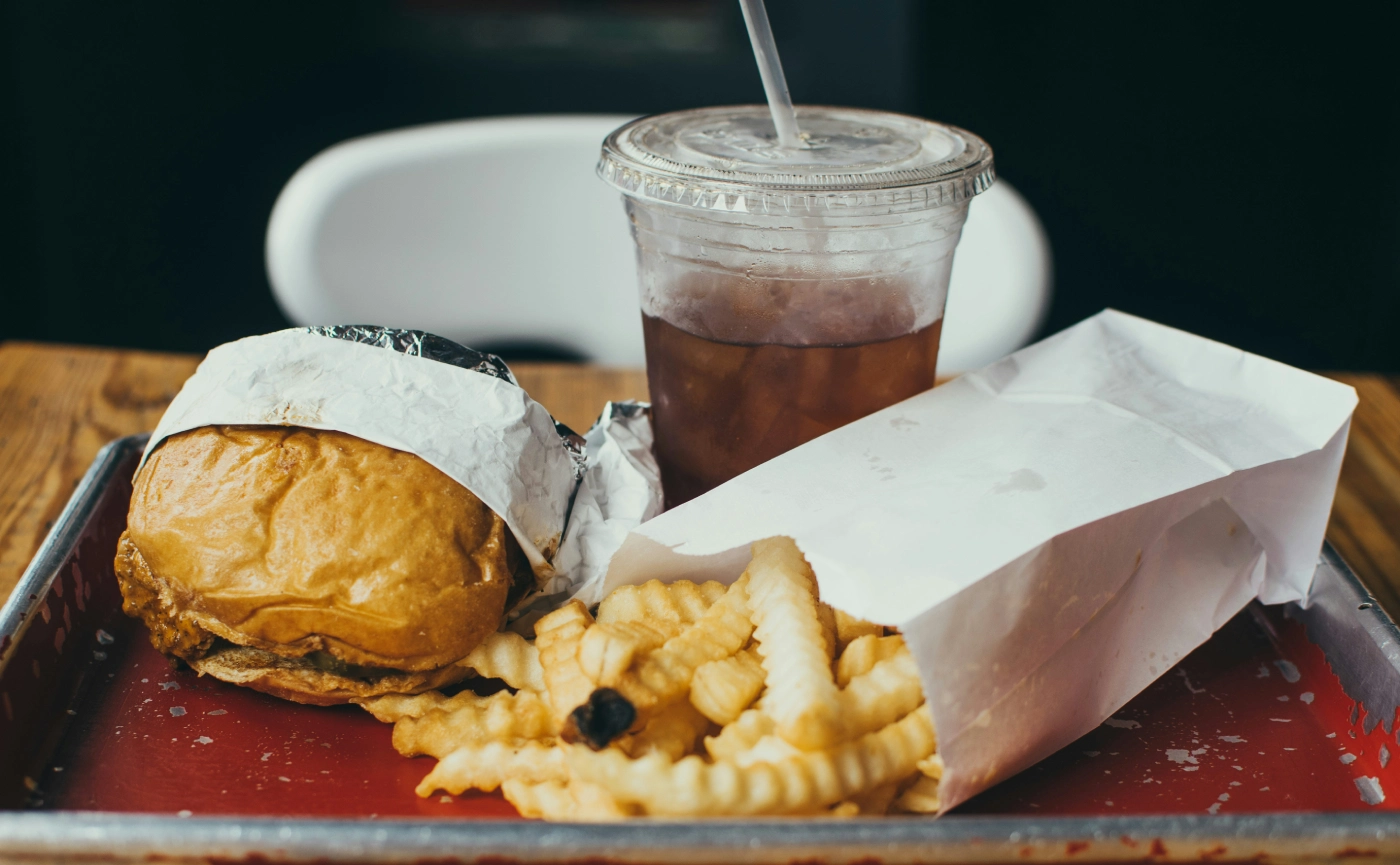
Junk food is everywhere — colourful packaging, catchy ads, and tempting flavours make it hard for children to resist. But behind the bright wrappers are some surprising facts that every parent should know. Understanding the real impact of junk food can help families make better choices without turning mealtime into a battle. Many pre schools in Bangalore now include simple nutrition lessons as part of their curriculum, helping children understand food choices from an early age. This blog uncovers 10 shocking facts about junk food that may change how your family thinks about snacking.
Why Junk Food Facts Matter for Families
Children today are exposed to processed and packaged foods more than any previous generation. Understanding what’s really inside these products empowers parents to guide healthier habits without relying on fear or restriction alone.
10 Shocking Facts About Junk Food
1. Some Snacks Contain More Sugar Than a Can of Soda
Many flavoured yogurts, granola bars, and packaged juices contain hidden sugars that rival or exceed the sugar content of a can of soft drink, even though they are marketed as “healthy” options.
2. Junk Food Can Be Designed to Be Addictive
Food scientists often engineer the perfect combination of salt, sugar, and fat — sometimes called the “bliss point” — to make snacks more craveable and harder to stop eating.
3. Bright Colours Often Come From Artificial Additives
Many colourful snacks and drinks get their vibrant appearance from artificial dyes rather than natural ingredients. Some of these additives have been linked to hyperactivity in sensitive children.
4. “Low Fat” Doesn’t Always Mean Healthy
When fat is reduced in processed foods, sugar or salt is often added to maintain flavour. This means a “low fat” label doesn’t automatically make a snack a nutritious choice.
5. Fried Snacks Can Contain Harmful Trans Fats
Many packaged fried snacks use partially hydrogenated oils, which contain trans fats. These have been linked to heart health issues even when consumed in small regular amounts over time.
6. Junk Food Can Affect Mood and Concentration
Diets high in processed sugar and fat have been linked to mood swings and reduced concentration in children, which can directly impact learning and classroom behaviour.
Educators at daycare in Bangalore often emphasise balanced lunchboxes for this exact reason, noticing that nutrition directly affects energy levels and focus during the day.
7. Some “Fruit” Snacks Contain Very Little Real Fruit
Many fruit-flavoured snacks and gummies use artificial flavouring and colouring with minimal actual fruit content, despite packaging that prominently features fruit imagery.
8. Packaged Snacks Are Often Engineered for Overconsumption
Portion sizes and packaging are often designed to encourage eating more than necessary, with single packets sometimes containing two or three actual servings.
9. Junk Food Marketing Targets Children Directly
Bright mascots, cartoon characters, and toy giveaways are specifically designed to appeal to children, making them more likely to request these snacks regardless of nutritional value.
10. Regular Junk Food Consumption Is Linked to Long-Term Health Risks
Frequent consumption of processed, high-sugar, and high-fat foods during childhood has been linked to higher risks of obesity, diabetes, and other long-term health concerns later in life.
How Parents Can Encourage Healthier Choices
Rather than completely banning treats, small consistent changes often work better for long-term habits.
- Read ingredient labels together as a learning activity
- Offer fruit or nuts as the first snack option, with treats as an occasional choice
- Involve children in preparing simple, healthy snacks at home
- Limit exposure to junk food advertising during screen time
- Model healthy eating habits yourself — children learn by watching
Many top nursery schools in Bangalore now send home simple nutrition guides for parents, encouraging consistency between classroom meals and home snacking habits.
Teaching Kids About Food Choices Without Fear
The goal isn’t to scare children away from all treats, but to help them understand balance. Simple, age-appropriate explanations work better than strict rules.
- Explain that some foods give us “go energy” and others are just for “fun sometimes.”
- Use colourful charts to show “everyday foods” versus “sometimes foods.”
- Let children help pick and prepare healthy snacks, building ownership over choices.
- Celebrate small wins, like trying a new fruit or vegetable.
Many best montessori schools in Bangalore incorporate food and nutrition awareness directly into practical life activities, helping children build healthy habits through hands-on experience rather than lectures.
Conclusion
Understanding the real facts about junk food empowers families to make better choices without guilt or fear. From hidden sugars to clever marketing tactics aimed at children, these shocking facts reveal why moderation and awareness matter. Small, consistent steps — like reading labels, offering balanced snacks, and modelling healthy habits — can make a meaningful difference in a child’s relationship with food over time.
FAQs
1. Is junk food really that harmful for young children?
Occasional junk food consumption is generally not harmful, but regular and excessive intake can affect energy levels, concentration, and long-term health. The key concern is frequency and portion size rather than complete avoidance, since balance matters more than strict elimination.
2. How can I tell if a packaged snack is actually healthy?
Check the ingredient list and nutrition label. Look for high sugar, sodium, or unfamiliar additive names near the top of the ingredient list. Snacks with shorter, recognisable ingredient lists are generally a better choice than heavily processed alternatives.
3. Why do children crave junk food so much?
Junk food is often engineered with specific combinations of salt, sugar, and fat designed to be highly craveable. Bright packaging and marketing aimed directly at children also increase the appeal, making these snacks harder to resist compared to whole foods.
4. Should I completely ban junk food at home?
Complete bans can sometimes increase a child’s desire for restricted foods. Most nutrition experts recommend moderation instead — offering treats occasionally while making healthier foods the everyday default choice at home and school.
5. What are some easy healthy snack alternatives for kids?
Fresh fruit, roasted chickpeas, homemade popcorn, yogurt with no added sugar, and nut mixes are easy, kid-friendly alternatives. Involving children in preparing these snacks also makes them more likely to enjoy and choose them over packaged options.
