
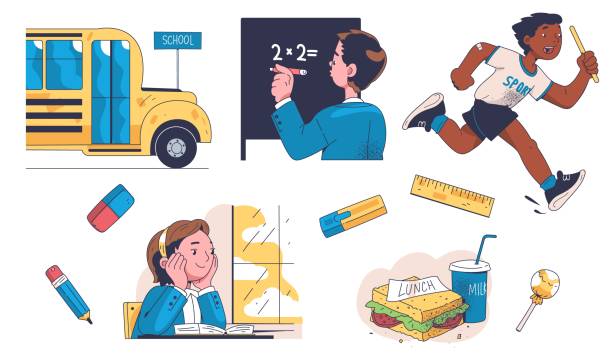
Success in a student’s life is not defined solely by intelligence or talent. More often, it is shaped by consistent behaviour, discipline, and values practised daily. Developing good habits for students from an early age helps build a strong foundation for academic achievement, emotional well-being, and responsible citizenship.
This article explores essential habits every student should cultivate and explains how these habits contribute to long-term personal and academic success.
Why Good Habits Matter in Student Life
Habits shape behaviour, and behaviour shapes outcomes. When students consistently practise positive habits, they develop:
- Better time management skills
- Stronger focus and concentration
- Emotional resilience
- Confidence in learning and social settings
These habits do not develop overnight. They are built gradually through guidance at home and structured learning environments such as early childhood centres and schools.
Key Good Habits Every Student Should Develop
1. Maintaining a Regular Daily Routine
A structured daily routine helps students understand the value of time. Regular wake-up times, study hours, playtime, and sleep schedules:
- Improve discipline
- Reduce stress and confusion
- Help children feel secure and organised
Early exposure to routines in environments like pre schools in Bangalore helps children naturally adapt to structured learning.
2. Practising Personal Hygiene
Good hygiene habits are essential for health and self-confidence. Students should learn:
- Handwashing before meals and after activities
- Keeping their belongings clean
- Maintaining personal grooming
These habits promote physical well-being and reduce the risk of illness, ensuring consistent school attendance.
3. Developing Reading and Learning Habits
Reading regularly improves language skills, imagination, and critical thinking. Encouraging students to:
- Read age-appropriate books daily
- Ask questions and explore new topics
- Show curiosity in learning
helps build a lifelong love for education.
4. Time Management and Responsibility
Learning to manage time teaches students accountability. Simple habits such as:
- Completing homework on time
- Organising school materials
- Preparing for the next day in advance
help students become independent learners.
Good Habits That Support Emotional Growth
5. Respect for Teachers, Parents, and Peers
Respect is a foundational value that supports healthy relationships. Students should be encouraged to:
- Listen attentively
- Use polite language
- Appreciate different opinions
These habits contribute to positive classroom environments and social harmony.
6. Practising Gratitude and Positive Thinking
Students who practise gratitude tend to develop emotional balance. Simple actions like:
- Saying “thank you”
- Acknowledging help from others
- Recognising their own efforts
help build optimism and emotional resilience.
7. Managing Screen Time
Responsible use of digital devices is an important modern habit. Students should learn to:
- Balance screen time with physical activity
- Avoid excessive gadget use
- Use technology for learning rather than distraction
Guidance from parents and educators plays a key role in building healthy digital habits.
Health-Related Habits for Students
8. Eating Healthy and Balanced Meals
Nutritious food fuels learning and physical growth. Students should develop habits such as:
- Eating fruits and vegetables regularly
- Drinking enough water
- Avoiding excessive junk food
Healthy eating habits often begin in early childhood settings like daycare in Bangalore, where routines and nutrition awareness are introduced.
9. Regular Physical Activity
Physical movement is essential for both physical and mental health. Good habits include:
- Daily outdoor play
- Participating in sports or yoga
- Stretching and movement breaks
Regular activity improves concentration, stamina, and emotional well-being.
10. Getting Adequate Sleep
Sleep plays a vital role in memory, focus, and mood regulation. Students should be encouraged to:
- Maintain a consistent sleep schedule
- Avoid screens before bedtime
- Get age-appropriate hours of rest
Well-rested students perform better academically and emotionally.
Role of Early Education in Building Good Habits
Habits formed during early childhood often stay for life. Learning environments such as top nursery schools in Bangalore focus on:
- Routine-based learning
- Social interaction and sharing
- Independence and self-care
These early experiences lay the groundwork for responsible behaviour in later school years.
How Parents and Teachers Can Encourage Good Habits
Parents and educators can support habit formation by:
- Leading by example
- Offering consistent guidance
- Praising effort rather than results
- Correcting behaviour patiently
Positive reinforcement helps students internalise good habits rather than follow them out of fear or pressure.
Long-Term Benefits of Good Habits for Students
Students who practise good habits consistently often grow into adults who are:
- Self-disciplined and organised
- Emotionally balanced
- Responsible decision-makers
- Confident lifelong learners
These habits contribute not only to academic success but also to personal happiness and social responsibility.
Conclusion
Developing good habits for students is one of the most valuable investments in a child’s future. From discipline and respect to healthy routines and emotional awareness, these habits shape well-rounded individuals prepared to face academic and life challenges.
With support from parents, teachers, and structured learning environments, students can build habits that guide them toward a bright, confident, and successful future.
FAQs
- Why are good habits important for students?
Good habits help students develop discipline, focus, emotional stability, and responsibility. - At what age should good habits be taught?
Good habits should be introduced from early childhood and reinforced throughout schooling. - How can parents help build good habits?
Parents can model positive behaviour, maintain routines, and encourage consistency. - Do good habits improve academic performance?
Yes, habits like time management, reading, and healthy routines directly support learning. - Can habits learned early last a lifetime?
Yes, habits formed early often become lifelong behaviours.
