
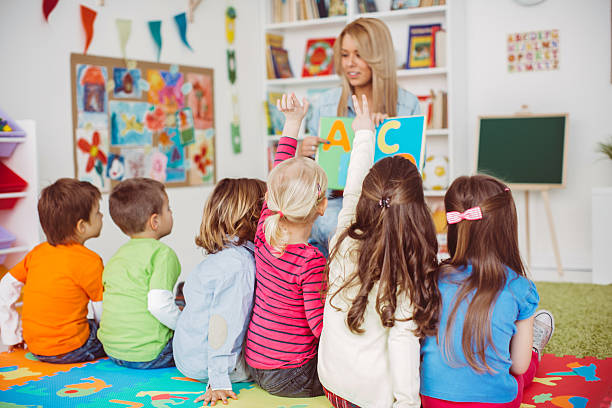
Early childhood is a magical time for language development. Young minds are constantly absorbing new sounds, words, and patterns from their surroundings. One of the most playful and effective methods to strengthen language skills is through rhyming words for kids. These rhythmic, repetitive sound patterns not only make learning fun but also help children develop foundational literacy skills.
Rhyming words for kids support brain development by improving listening skills and sound recognition. They introduce children to how language works, helping them notice similarities in sounds and patterns. Over time, this awareness builds a stronger grasp of reading, writing, and communication.
In this blog, we will explore the importance of rhyming words for kids, their impact on vocabulary building, some fun examples, engaging activities, and how parents and schools can use them to support early learning.
Why Rhyming Words for Kids Are Important
Rhymes are often a child’s first introduction to patterns in language. From nursery rhymes to songs and poems, children become familiar with repetition and rhythm early on. This repeated exposure to rhyming words for kids improves their ability to recognize sounds, which is essential for reading and spelling.
Rhyming words for kids offer many benefits such as:
- Improving phonemic awareness
- Enhancing listening and attention skills
- Increasing memory and recall
- Supporting clear speech development
- Boosting confidence in communication
Educational programs, including the best preschools in bangalore, regularly use rhymes as a part of their daily curriculum to strengthen language foundations in an engaging way.
Simple Examples of Rhyming Words for Kids
Introducing rhyming words for kids can start with small and familiar words. These basic sound sets make it easier for children to identify similarities and create new rhyming combinations on their own.
Some easy and fun rhyming groups include:
Cat – Hat – Bat – Mat
Dog – Log – Frog – Jog
Sun – Fun – Run – Bun
Bed – Red – Led – Fed
Star – Car – Jar – Far
These short and simple rhymes can be used at home, in the classroom, or during travel time with children.
As children gain confidence, you can introduce slightly longer or more challenging sets. This helps expand vocabulary while keeping the activity enjoyable and interactive.
Activities That Make Learning Rhyming Words Fun
Learning rhyming words for kids doesn’t have to involve textbooks or worksheets. The best results come from play-based learning and creativity. Here are a few simple yet effective activities:
1. Rhyme and Clap Game
Say a word and ask children to respond with a rhyming word. Clap every time a correct rhyme is given. This builds engagement and keeps children actively involved.
2. Picture Matching
Show pictures of objects such as a cat, hat, dog, and frog. Ask children to match the pictures that rhyme. This visual connection makes it easier for young learners to understand.
3. Rhyme Storytelling
Start a fun sentence and pause before the rhyming word. Encourage children to suggest a word that completes the rhyme.
Example:
“The cat sat on a ______” (mat)
This technique enhances creativity and problem-solving while reinforcing rhyming words for kids.
These kinds of interactive methods are commonly implemented in language-focused environments like the best play schools in bangalore , where children learn through sound, movement, music, and storytelling.
How Rhyming Words for Kids Improve Vocabulary
When children learn rhyming words for kids, they are not just memorising sounds. They are discovering new words and understanding how language is structured.
For example, learning the word “ball” can lead to recognition of call, wall, tall, and fall. This creates natural word expansion and improves both understanding and usage.
Over time, rhyming words for kids help to:
- Build a larger vocabulary
- Improve pronunciation
- Enhance pattern recognition
- Strengthen reading readiness
- Support spelling skills
Children feel encouraged when they can predict or guess a word based on sound. This sense of achievement builds confidence and interest in learning more.
Montessori-Based Learning and Rhyming Skills
Rhyming words for kids fit perfectly into the Montessori method of education. Montessori learning emphasizes natural exploration, sounds, and hands-on language experiences. Children use tools like sandpaper letters, sound games, and phonics-based materials to understand how words are formed.
The best montessori schools in bangalore incorporate rhyming words for kids through:
- Sound repetition exercises
- Listening and speaking activities
- Language puzzles and games
- Independent exploration of rhyming patterns
This helps children learn at their own pace, reinforcing both confidence and foundational literacy.
Role of Parents in Teaching Rhyming Words for Kids
Parents can turn everyday moments into powerful learning experiences. You don’t need any special equipment to introduce rhyming words for kids at home. Simple conversations and games are enough.
Here are some easy ways to do it:
- Make silly rhymes with your child’s name
- Ask “What rhymes with…?” during daily routines
- Sing rhyming songs and nursery rhymes together
- Read rhyming storybooks before bedtime
- Create funny rhyming sentences together
The goal is to make language fun and pressure-free. When children feel relaxed, they are more open to learning and experimenting with new words.
Rhyming and Its Impact on Reading Readiness
Before children can read, they must understand how sounds work. Rhyming words for kids prepare them for this transition by making them aware of language patterns.
This helps them:
- Identify word families
- Break words into sounds
- Strengthen decoding skills
- Improve reading fluency
- Develop an interest in books
Rhymes act as stepping stones between listening and reading. They reduce anxiety around learning and increase confidence in trying new words.
Making Language Learning Enjoyable
The beauty of rhyming words for kids lies in their simplicity and joy. There is no pressure, no right or wrong way—just sound, imagination, and play. Children enjoy making up silly rhymes, laughing at funny sounds, and repeating catchy patterns.
When learning is joyful, it becomes memorable. Rhymes allow children to explore language in a natural and engaging way that supports long-term development.
Conclusion
Rhyming words for kids are one of the most powerful tools for early language development. They strengthen listening skills, expand vocabulary, improve phonics awareness, and prepare children for reading and writing. Most importantly, they make learning fun, playful, and exciting.
Whether a child is learning at home or in structured environments like the best preschools in bangalore, the best play schools in bangalore, or the best montessori schools in bangalore, rhyming words for kids play a crucial role in shaping confident and capable communicators.
By introducing rhymes into everyday life, you are giving your child a strong and joyful foundation for lifelong learning.
FAQs
- What are rhyming words for kids?
Rhyming words for kids are words that have the same ending sounds, such as cat–hat–bat. - How do rhyming words help in early learning?
They improve sound recognition, strengthen memory, and support early reading and speaking skills. - At what age can kids start learning rhymes?
Children can be introduced to rhyming words for kids from around 2–3 years old. - How often should rhyming activities be practiced?
Daily exposure through songs, stories, and games is ideal for consistent learning. - Can rhyming help children who struggle with speech?
Yes, rhyming words for kids improve pronunciation, sound awareness, and communication confidence.
