
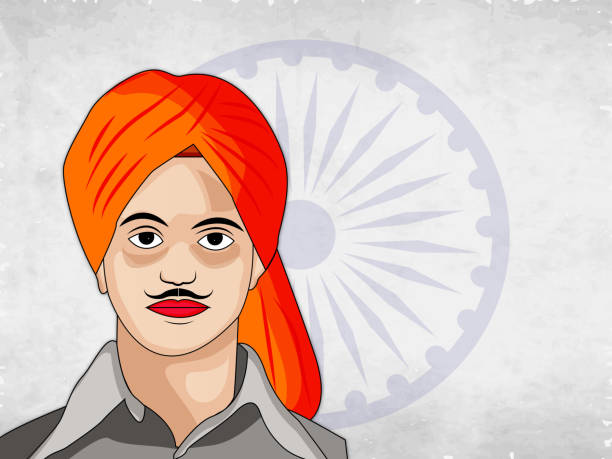
India’s freedom did not come easily. It was the result of decades of courage, sacrifice, and determination shown by thousands of men and women across the country. Teaching children about these freedom fighters in India and their contribution helps them understand the value of independence and the importance of standing up for what is right. Many pre schools in Bangalore introduce these stories through simple language and pictures, making history approachable even for very young learners. This blog introduces ten remarkable freedom fighters whose stories continue to inspire generations.
Why Children Should Learn About Freedom Fighters
Stories of freedom fighters teach more than historical facts. They introduce children to values like courage, sacrifice, leadership, and unity. These lessons help young minds understand that change often requires patience and bravery, and that ordinary people can do extraordinary things.
10 Great Freedom Fighters in India and Their Contribution
1. Mahatma Gandhi
Known as the Father of the Nation, Gandhi led India’s independence movement through non-violence and civil disobedience. His Salt March and Quit India Movement inspired millions to join the freedom struggle peacefully.
2. Subhas Chandra Bose
A bold and fearless leader, Bose formed the Indian National Army (INA) and famously said, “Give me blood, and I shall give you freedom.” His leadership inspired soldiers to fight for India’s independence abroad.
3. Bhagat Singh
A young revolutionary, Bhagat Singh sacrificed his life at the age of 23 for India’s freedom. His courage and patriotism continue to inspire young people across the country even today.
4. Rani Lakshmibai
The brave queen of Jhansi fought fiercely against British rule during the Revolt of 1857. Her bravery on the battlefield made her one of the most celebrated woman freedom fighters in Indian history.
5. Sardar Vallabhbhai Patel
Known as the Iron Man of India, Patel played a crucial role in unifying over 500 princely states into a single nation after independence, earning deep respect for his leadership and diplomacy.
6. Jawaharlal Nehru
India’s first Prime Minister, Nehru was a key leader in the independence movement and later played a major role in shaping modern India’s policies, education system, and international relationships.
7. Chandrashekhar Azad
A fearless revolutionary, Azad vowed never to be captured alive by the British. His determination and leadership inspired many young revolutionaries to join the freedom movement.
8. Sarojini Naidu
Known as the Nightingale of India, Naidu was both a poet and a powerful political leader. She played an active role in the Civil Disobedience Movement and became the first woman president of the Indian National Congress.
9. Lala Lajpat Rai
Known as Punjab Kesari, Lajpat Rai was a strong voice against British policies and led protests that mobilised people across Punjab. His sacrifice further fuelled the independence movement.
10. Maulana Abul Kalam Azad
A scholar and freedom fighter, Azad served as India’s first Education Minister and strongly believed in unity among all communities during the struggle for independence.
How Parents and Teachers Can Make History Engaging
History doesn’t need to feel like a list of dates and names. With the right approach, children can connect emotionally with these stories.
- Read illustrated storybooks about freedom fighters
- Watch short, age-appropriate documentaries together
- Use role play to act out famous historical moments
- Visit local museums or historical landmarks
- Celebrate Independence Day and Republic Day with simple craft activities
Educators at daycare in Bangalore often introduce these themes around national holidays, using songs, flags, and storytelling to make history both fun and memorable.
Building National Pride Through Storytelling
Children form their earliest understanding of patriotism through stories told at home and school. Talking about freedom fighters during festivals or assemblies helps build a natural sense of pride and curiosity about the country’s history.
Many top nursery schools in Bangalore plan special activities around Independence Day, including flag-making, patriotic songs, and short skits about national heroes, helping children connect emotionally with India’s history.
Simple Ways to Reinforce These Lessons at Home
- Choose one freedom fighter each week and share a short story about them.
- Ask your child to draw a picture of their favourite freedom fighter.
- Discuss what courage and sacrifice mean in simple, age-appropriate language.
- Encourage questions — children often ask thoughtful things adults don’t expect.
- Connect lessons to present-day values like honesty, fairness, and helping others.
Many best play schools in Bangalore use these same storytelling techniques in their classrooms, pairing history lessons with art and music to keep children engaged.
Conclusion
Learning about freedom fighters in India and their contribution gives children a meaningful connection to their country’s history. These stories of courage and sacrifice are not just lessons from the past — they teach values that remain relevant today. By sharing these stories through books, conversations, and creative activities, parents and teachers can help children grow up with both historical knowledge and a strong sense of pride in their nation.
FAQs
1. At what age should children start learning about freedom fighters?
Children as young as 4 or 5 can begin learning simple stories about freedom fighters through picture books and storytelling. Detailed historical context is usually introduced later in primary school, but early exposure helps build curiosity and emotional connection to these important figures.
2. Why is it important for kids to learn about India’s freedom struggle?
Learning about the freedom struggle helps children appreciate the value of independence and understand the sacrifices made for it. It also teaches important values like courage, unity, and standing up for justice, which remain relevant well beyond the history classroom.
3. What is the easiest way to teach kids about freedom fighters?
Storytelling is the most effective method. Use simple language, pictures, and short anecdotes rather than dates and facts. Role play, craft activities, and songs related to Independence Day also help children remember these figures in a fun and engaging way.
4. Which freedom fighter is most popular among young children?
Mahatma Gandhi is often the most recognised freedom fighter among young children due to his widespread presence in textbooks, currency notes, and national holidays. His message of non-violence is also simple enough for young children to understand and relate to.
5. How can schools make history lessons more engaging for young children?
Schools can use storytelling, music, art, and role play instead of textbook-only teaching. Organising small skits, flag-making activities, or simple quizzes around Independence Day and Republic Day helps children engage emotionally and retain historical lessons far better.
