
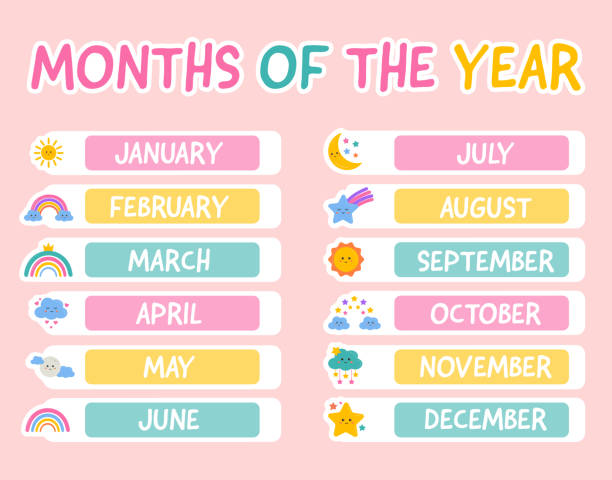
Learning the months name in order is one of the first steps a young child takes toward understanding time, seasons, and calendars. For preschoolers, this can feel like a big abstract idea, but it becomes much easier when paired with songs, pictures, and hands-on play. Many pre schools in Bangalore introduce months through stories and rhymes rather than rote memorisation, because young children learn best through repetition and fun. This blog shares simple, joyful ways parents can help children learn the twelve months at home, building a skill that supports reading, sequencing, and everyday routines.
Why Learning Months in Order Matters for Young Children
Months help children make sense of birthdays, festivals, seasons, and school terms. Understanding sequence — what comes first, next, and last — is also an early math and language skill. Children who practise this early often find calendars, schedules, and story timelines easier to follow later in school.
Skills Children Build While Learning Months
- Sequencing and order (first, second, last)
- Vocabulary and word recognition
- Memory through rhythm and repetition
- Awareness of seasons and weather changes
- Connection between calendar and daily life
The Twelve Months in Order
Before diving into activities, it helps to say the months slowly and clearly together as a family:
- January
- February
- March
- April
- May
- June
- July
- August
- September
- October
- November
- December
Fun Activities to Learn Months Name in Order
Repetition through play helps children remember far better than flashcards alone. Here are activities that work well at home or in a classroom setting.
1. Sing a Months Song
Set the twelve months to a familiar tune, like “Twinkle Twinkle Little Star.” Singing builds rhythm and makes recall almost automatic. Many daycare in Bangalore centres use simple songs like this during morning circle time.
2. Make a Months Wheel
Cut out a paper circle, divide it into twelve sections, and write one month in each. Let your child decorate each section with something that reminds them of that month — a snowflake for December or a kite for January.
3. Birthday Month Matching Game
Write down the birthdays of family members and match each person to their birth month. This personal connection makes the months memorable and meaningful rather than abstract.
4. Seasons and Months Sorting
Give your child picture cards of different seasons — rain, sun, flowers, snow — and ask them to sort which months belong to which season. This activity is widely used in top nursery schools in Bangalore to connect calendar learning with the natural world.
5. Monthly Calendar Craft
Create a simple wall calendar together. Each month, let your child colour in a small box or sticker for that month’s page. Watching the calendar change page by page builds a real-time sense of order and progression.
6. Months Order Race
Write the months on individual cards, shuffle them, and ask your child to race against the clock to arrange them correctly. This adds a playful, competitive element that keeps children engaged.
How Teachers Reinforce Months Learning in the Classroom
Early childhood educators rarely teach months as a one-time lesson. Instead, they build it into daily routines — attendance charts, weather boards, and “today is…” circle time discussions.
- Daily calendar review during morning circle
- Birthday boards organised by month
- Seasonal classroom displays that change monthly
- Storybooks that reference specific months and festivals
Parents exploring options at best preschools in Bangalore often notice that calendar time is a consistent part of the daily schedule, reinforcing months learning gently and repeatedly throughout the year.
Tips for Parents to Reinforce Learning at Home
- Talk about the current month naturally during conversations — “It’s July, so it’s rainy season!”
- Use a visible calendar at your child’s eye level.
- Celebrate the start of each new month with a small ritual, like a sticker or short chat.
- Read picture books that mention months and seasons.
- Be patient — most children need several months of repetition before mastering the full sequence.
Conclusion
Helping a child learn months name in order doesn’t need to involve pressure or memorisation drills. Through songs, crafts, sorting games, and everyday conversation, children absorb the sequence naturally and joyfully. These small, consistent moments build a foundation not just for calendars, but for broader skills like sequencing, memory, and language. With patience and play, most children comfortably master the months well before they start primary school.
FAQs
1. At what age should children start learning the months of the year?
Most children begin showing interest in months and calendars between ages 3 and 5. At this stage, simple songs and visual aids work best. Mastery of the full sequence usually develops gradually between ages 5 and 7, especially with regular practice through daily routines and classroom calendar activities.
2. What is the easiest way to teach months to a 3-year-old?
Songs and rhymes are the easiest entry point for very young children. Pairing months with a familiar tune helps with memory and pronunciation. Visual aids like a colourful calendar or picture cards showing seasonal changes also help toddlers connect the abstract concept of months to something tangible and visual.
3. Why do some children struggle to remember the order of months?
Months are abstract and not tied to any concrete object, which makes them harder to remember than colours or animals. Children who struggle often benefit from extra repetition, visual calendars, and connecting months to personal events like birthdays or holidays, which adds meaning and context to the sequence.
4. How can I make learning months fun instead of boring?
Use games, songs, crafts, and stories instead of flashcard drills. Activities like making a months wheel, sorting seasons, or playing a months-order race keep children engaged because they are learning through play rather than memorisation, which leads to better long-term retention.
5. Do schools teach months as part of the regular curriculum?
Yes, most early childhood programmes include calendar time as a daily classroom routine. Teachers use attendance charts, weather boards, and seasonal displays to reinforce months naturally throughout the year, rather than teaching it as an isolated topic.
