
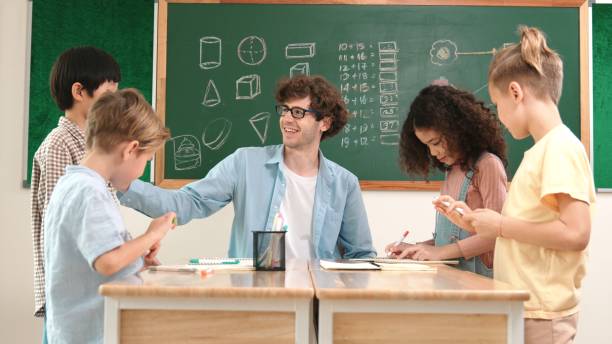
Academic success is not defined by grades alone. A truly successful learner is one who demonstrates responsibility, curiosity, discipline, and emotional maturity. Understanding and nurturing the qualities of a good student from an early age helps children build a strong foundation for lifelong learning and personal growth.
This practical guide explores the essential traits of a good student and offers actionable ways parents, teachers, and schools can help children develop them consistently and naturally.
Why the Qualities of a Good Student Matter
The habits and attitudes children form during their early years significantly influence their future academic performance and personal development. Students who cultivate positive learning traits tend to:
- Adapt better to new challenges
- Show resilience in the face of difficulty
- Develop strong social and communication skills
- Become independent and motivated learners
Early learning environments, including pre schools in Bangalore, play a vital role in shaping these foundational qualities.
Core Qualities of a Good Student
1. Curiosity and Love for Learning
Curiosity drives meaningful learning. A good student asks questions, explores ideas, and seeks understanding beyond textbooks. Encouraging curiosity helps children:
- Develop critical thinking
- Retain knowledge more effectively
- Stay engaged and motivated
Parents and educators can foster curiosity by allowing children to explore interests and encouraging open-ended questions.
2. Discipline and Self-Control
Discipline helps students manage time, follow routines, and stay focused on tasks. It is not about strict rules but about developing self-regulation.
Children who practise discipline are better at:
- Completing assignments on time
- Managing distractions
- Following classroom expectations
Structured environments such as quality daycare in Bangalore help children learn routines and self-control at an early stage.
3. Responsibility and Accountability
A good student takes responsibility for their actions, learning materials, and commitments. Responsibility can be nurtured by:
- Giving age-appropriate tasks
- Encouraging children to own their mistakes
- Teaching the importance of consistency
These small habits build accountability and independence over time.
4. Positive Attitude and Resilience
Learning inevitably involves challenges. A positive attitude helps students see mistakes as opportunities rather than failures. Resilient students:
- Persist even when tasks are difficult
- Accept feedback constructively
- Develop confidence in their abilities
Supportive guidance from parents and teachers is essential in helping children build emotional resilience.
Developing Good Study Habits Early
Creating Consistent Routines
Consistent daily routines help children understand the importance of structure. Setting fixed times for learning, play, and rest improves focus and reduces stress.
Encouraging Independent Learning
Allowing children to attempt tasks on their own builds confidence and problem-solving skills. Gentle guidance should replace constant correction.
Institutions like top nursery schools in Bangalore often emphasise independent learning through age-appropriate activities and guided exploration.
Social Skills as a Key Student Quality
Respect and Empathy
Respect for teachers, peers, and oneself is fundamental to being a good student. Children learn respect by observing positive role models and practising empathy in group settings.
Teamwork and Cooperation
Group activities teach children how to listen, share, and collaborate. These skills are essential not only in school but also in later professional life.
Role of Parents in Shaping a Good Student
Parents play a critical role in reinforcing positive student qualities at home. They can:
- Model curiosity and lifelong learning
- Encourage effort rather than perfection
- Provide emotional support and encouragement
- Maintain open communication with teachers
A home environment that values learning significantly enhances a child’s motivation and confidence.
Role of Schools in Student Development
Schools contribute by creating environments that balance academics with character development. Effective schools:
- Encourage participation and inquiry
- Recognise effort and improvement
- Provide emotional and social support
- Promote discipline through positive reinforcement
When schools and parents work together, children receive consistent guidance that strengthens their learning habits.
Long-Term Impact of Being a Good Student
Children who develop strong learning qualities early often grow into adults who:
- Adapt easily to change
- Take initiative and responsibility
- Communicate effectively
- Continue learning throughout life
The qualities of a good student extend far beyond the classroom, influencing career success and personal fulfilment.
Conclusion
Developing the qualities of a good student is a gradual and continuous process. By nurturing curiosity, discipline, responsibility, and resilience, parents and educators can help children become confident, motivated, and capable learners.
With consistent support from home and school, children not only succeed academically but also grow into well-rounded individuals prepared for future challenges.
FAQs
- What are the most important qualities of a good student?
Curiosity, discipline, responsibility, resilience, and a positive attitude are among the most important qualities. - Can these qualities be developed at a young age?
Yes, early childhood is the best time to introduce and reinforce positive learning habits. - How can parents help build these qualities?
By encouraging independence, maintaining routines, and supporting effort rather than results. - Do social skills matter in being a good student?
Yes, teamwork, empathy, and respect are essential for both academic and personal success. - Are good student qualities important beyond school?
Absolutely. These traits influence lifelong learning, career success, and personal growth.
